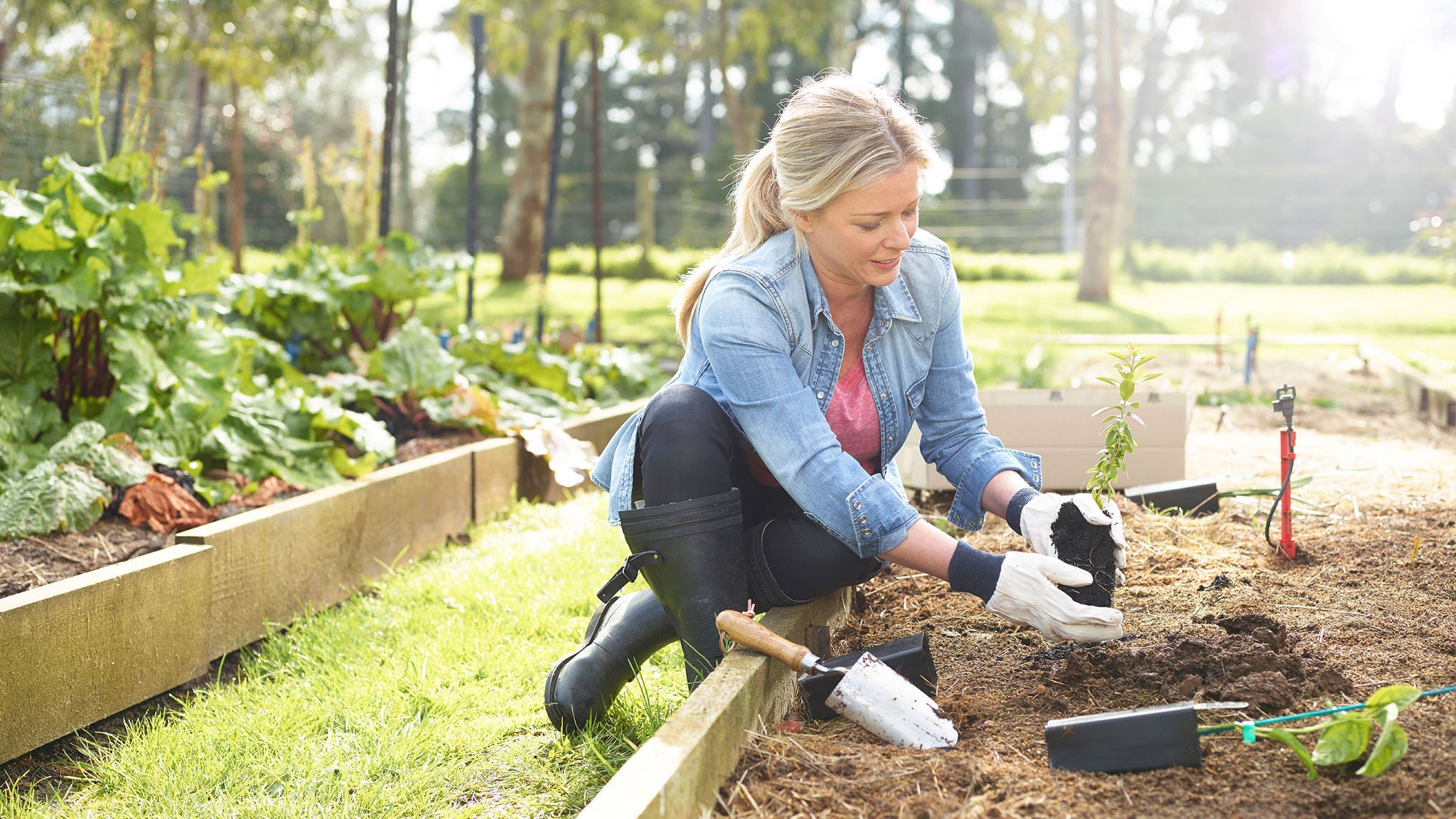
Gardening can be a great way to remain in the present moment.
Ever found yourself eating lunch while working at your desk but not actually tasting anything? Or perhaps you’ve pulled into your driveway and not remembered anything about the drive home.
This ‘mindlessness’ happens when your brain goes into default mode network (DMN), an internal system that’s activated when we’re not focused on the task at hand. In other words, when we’re multitasking or when our hands are working on one thing and our minds on another.
According to Harvard University research, we only spend 47% of our time in the present moment . The research also found that a wandering mind is an unhappy one as it tends to ruminate on things that have or could go wrong.
Long-term rumination can lead to anxiety, stress and depression. Our mental and emotional stress then show up in our body as an illness, pain, fatigue or simply poor sleep.
A daily mindfulness practice can put us back on track to building better mental and emotional health.
What is mindfulness?
Mindfulness is a term that has been bandied around for many years. There are books, videos, courses and experts that strive to demystify and deconstruct it to make it accessible to everyone.
An article on Beyond Blue’s website describes mindfulness as having a “full experience in the present moment.” The aim isn’t to stem our constant stream of thoughts but to simply pay attention to what’s happening in the present moment.
The article goes on to explain that this means allowing our thoughts and the emotions accompanying them to emerge, and then to observe them with curiosity, openness and without judgement.
Easier said than done, of course. But that’s why mindfulness is called a ‘practice’. There’s no reaching expert level or being ‘done’ with it. Every day is a new opportunity to explore and experiment, especially when life isn’t going our way.
How do you practise mindfulness?
Meditation is the most popular route but certainly not the only one. If sitting in stillness isn’t for you, here are a few other easy paths that will lead you to the same destination.
Letter writing
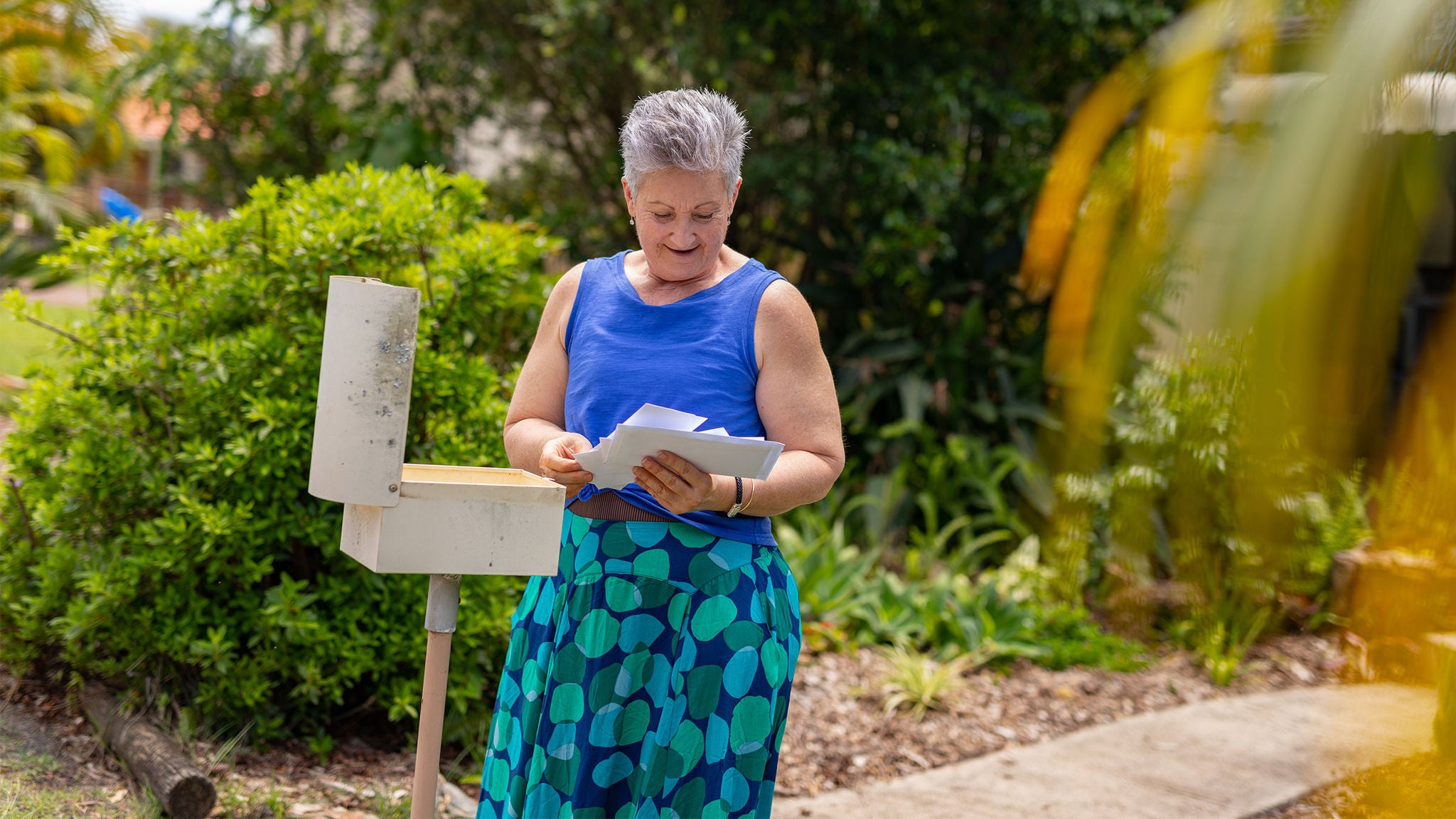
The almost forgotten art of letter writing is favoured by many as an ideal mindfulness practice. It forces you to slow down, focus and think about the next little step—or in this case, word.
In a previous interview with Australia Post, local author, Isobell Carmody, said, “Letter writing requires patience. You have to think about what you’re going to say before you write it because you can’t hit the Delete button.
“You can write over a few days and think in between sections of your letter or add an addendum. All these things are what our outside world of instant gratification doesn’t allow.”
In fact, even the process of preparing to write a letter—getting out the good stationery, filling up a fountain pen and making room on the desk—can be a mindfulness practice.
Learn about the mental health benefits of letter writing and journaling or enjoy reviving the art of handwritten letters with the kids.