
10 June 2026
What is Customer Lifetime Value (CLV)?
Learn how to calculate, measure, track and improve the lifetime value of a customer using a simple formula to power the performance of your business.
More eCommerce retailers are giving shoppers the option to include an Indigenous Place name when shopping with them. Read on to see how easy it is for your customers to acknowledge the Traditional Custodians of the lands where they live, including during checkout.
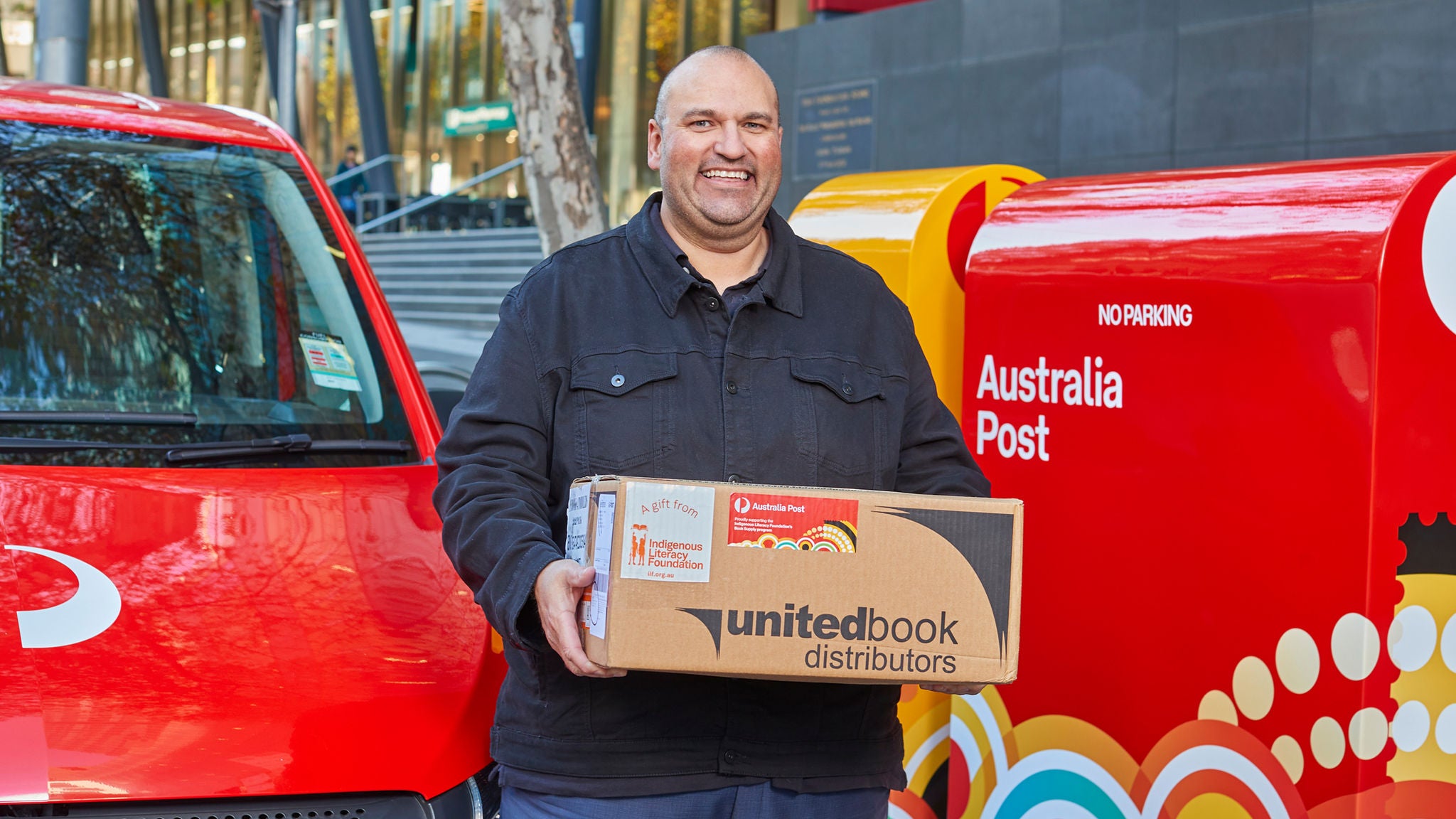
Indigenous Place names, or Traditional Place names, are important in continuing the use of Indigenous languages and in recognising First Nations cultures, according to the Geographical Names Board of New South Wales.
When Gomeroi woman Rachael McPhail shared her idea to allow senders to add Traditional Place names to their mail, it didn't take long to become reality.
Her campaign, which began on social media, resulted in Australia Post’s address guidelines being updated, and 22 different Express Post and Parcel Post satchels redesigned to include an Acknowledgement of Country and a dedicated Traditional Place name field in the address panel.
Since then, more eCommerce retailers have given customers the option to include their Traditional Place name at checkout, including online jewellery store Haus of Dizzy.
Jewellery designer and Haus of Dizzy owner Kristy Dickinson says the feedback has been really positive and she’s encouraging more businesses to follow suit.
“It’s about recognising and showing respect for Traditional Lands and Owners. I think it’s really important to open up that conversation and help more Australians learn Traditional Place names and research the history”, she says.
Not only is it meaningful, but it was also an easy update for her store to make.
“Using Shopify, it was really simple. You just add in the box and it’s done. I think every business should add it in to their checkout option,” says Kristy.
Looking to incorporate this on your own online store? Our guidelines recommend researching the Traditional Place name for your business HQ by engaging with your local Aboriginal and Torres Strait Islander Cultural Centre or Land Council (these differ by State/Territory - visit the NSW Aboriginal Land Council website). You can also take a look at the AIATSIS Map of Indigenous Australia as a guide to start learning about the Traditional Custodians that you can match to your business address.
Once you’ve researched and identified the Indigenous Place name for where your business operates, you can start including it in the ‘from’ address panel on your outgoing mail. This can apply to packages, letters, customer orders - everything you send.
Just like Haus of Dizzy, prompt your customers to add their Traditional Place name in addition to their street address at checkout. If they don’t already know it, you can recommend customers conduct their own research, or look at the AIATSIS Map as a guide. Depending on the shopping platform you use, you may be able to rename an existing field, or use an app to integrate the data (one such app is Customer Fields, which allows you to create custom sign-ups for your web store).
When it comes to placement on your parcels, the updated Australia Post address guidelines are easy to follow. Simply add the Traditional Place name after the individual or business name and before the first line of the street address.
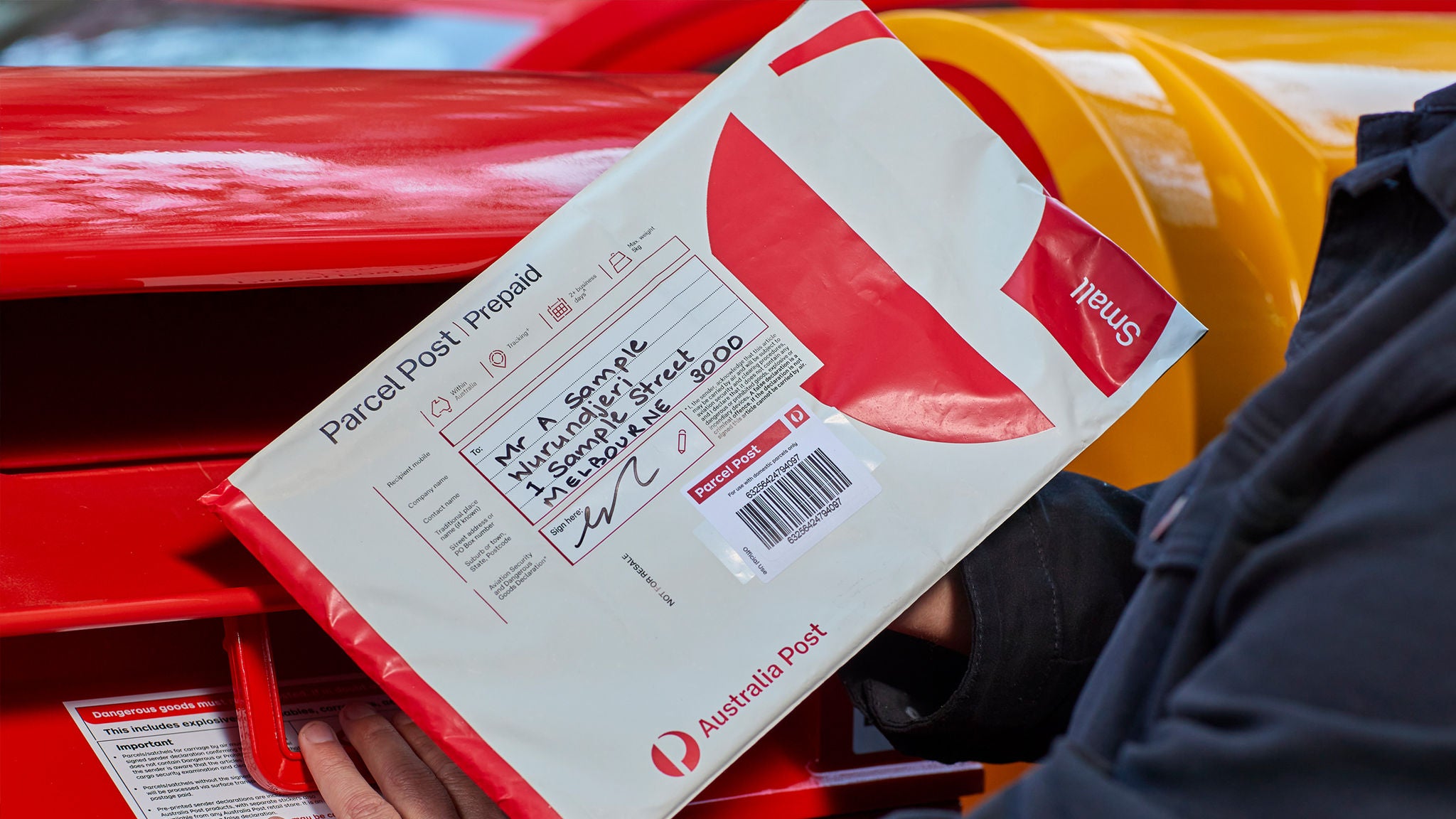
Of course, your business can also share its Traditional Place name when giving address details for all incoming mail. Include it on your website, letterhead, email signatures, or anywhere your address is listed.
Thousands of businesses rely on MyPost Business to save time and money when sending. Sign up and start sending smarter today.
This article was originally published on 26 June 2023, and has been updated with new informatio

Writer and Editor
Lauren Thompson is a content manager at Australia Post, specialising in eCommerce and small business content for Australian businesses. She leads thought leadership informed by research, data and industry insights, translating complex topics such as online retail growth, delivery, logistics and payments into clear, practical guidance. Known for her concise, credible writing style, Lauren helps Australian businesses make confident decisions and grow sustainably.
10 June 2026
Learn how to calculate, measure, track and improve the lifetime value of a customer using a simple formula to power the performance of your business.
23 April 2026
Get a head-start on planning for the eCommerce peak season with this checklist for online businesses.

02 February 2026
Explore online shopping trends from the Australia Post eCommerce Report, plus practical takeaways you can use to drive growth now