
10 June 2026
What is Customer Lifetime Value (CLV)?
Learn how to calculate, measure, track and improve the lifetime value of a customer using a simple formula to power the performance of your business.
Recommerce is changing the retail landscape, one pre-loved item at a time. As we explore below, it’s good for consumers, it’s good for brands, and it’s great for the planet.
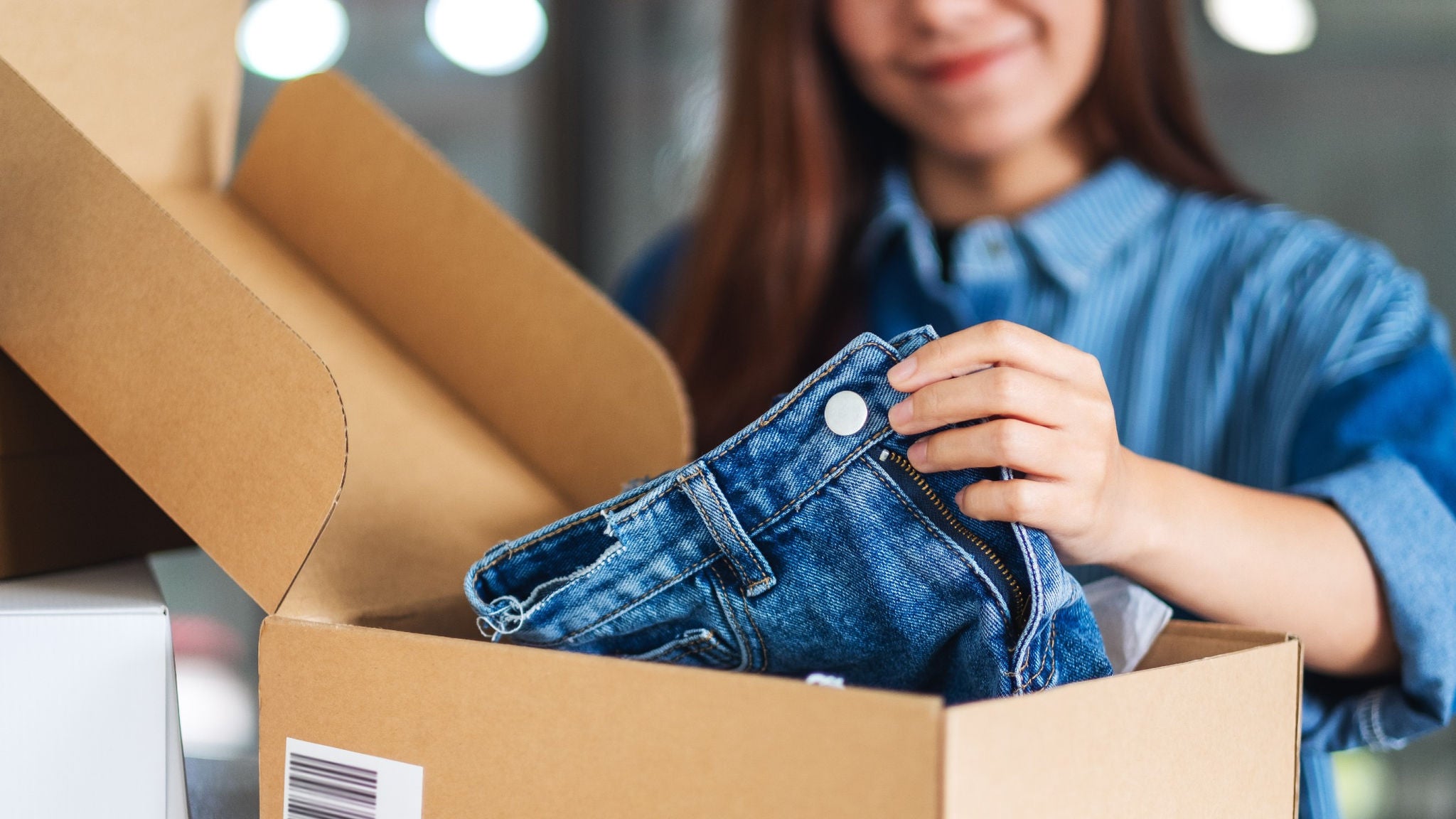
90% of buyers engaged in recommerce in 2022.
Cost-of-living pressures are affecting many households around Australia right now. It’s a time of careful budgeting, thriftiness and bargain-hunting; of visits to garage sales, op shops and online marketplaces like eBay.
Of course, thrifting is nothing new. But the act of buying pre-loved products is definitely on the rise. Not only does it help household budgets go further, but it’s also great for the environment, too—with sustainably-minded consumers looking to source secondhand instead of always buying brand new No wonder, according to eBay, the global pioneer of the recommerce movement, 90% of buyers engaged in recommerce in 2022.
And, increasingly, brands are jumping on board. For example, Australian online fashion retailer birdsnest launched birdsnest rehatched in late 2022, giving shoppers the opportunity to buy ‘like-new’ secondhand items at a cheaper rate. It’s their way of embracing the circular fashion economy and, as we’ll explore below, it’s having a great impact.
But first, let’s take a look at the meaning of recommerce and why it’s gaining momentum amongst both brands and consumers.
Recommerce, also known as reverse commerce, refers to the buying and selling of previously owned goods—giving these pre-owned items a second lease of life and keeping them out of landfill.
These days, everything from electronics and appliances to high-end fashion and furniture are resold. The sales themselves can take place through both physical and online channels, like online marketplaces and individual brands’ own stores.
Recommerce, which is all about keeping pre-loved and refurbished items in market for longer, delivers two key environmental benefits: a reduction in carbon emissions and less waste.
In 2022 alone, for example, eBay helped the planet avoid 1.6 million metric tonnes of carbon and 73,000 metric tonnes of waste going to landfill, according to its Recommerce Report.
Dig a little deeper, and other environmental benefits become clear. An electronic item that’s resold online helps reduce the need to mine critical minerals. A piece of pre-loved furniture that’s bought on a local Facebook marketplace negates the need for lengthy transport.
It’s not just the environment that’s set to benefit from the recommerce revolution. Brands that embrace recommerce can experience a range of benefits, including:
Benefits like these all could lead to revenue gains and a boost to the bottom line—which is just one reason why birdsnest rehatched was born.
Birdsnest rehatched is a great example of how one brand can establish a resale arm that doesn’t impact other areas of the business. Since launching rehatched, birdsnest’s regular online store has continued to thrive—while the preloved section satisfies customers’ growing demand for secondhand clothing.
All this, while helping the brand become more sustainable. As founder Jane Cay explains, “Birdsnest rehatched is part of us taking responsibility for the clothing we bring into the world. Our goal is to make participating in a more circular fashion economy simple, fun and convenient for our community—while naturally changing shopping habits and extending the lifecycle of our clothes.”
The brand has made it a priority to simplify the resale process for customers. “Our particular resale model is unique, as we host the platform from start to finish. This means birdsnest is now a one-stop-shop where new and secondhand items can be purchased simultaneously,” says Jane.
“For birdsnest customers, we’ve simplified the ability to rehome worn styles by doing all the work of listing and dispatching the pieces to their new owner. And when shopping the pre-loved range, customers receive the same first class experience they have come to know and love from birdsnest,” she says.
“The more that brands and businesses can talk about and offer more sustainable ways of purchasing, the more we invite opportunities for this way of thinking.”
Recommerce and the circular economy rely on community and collective action—and, as Jane notes above, the more brands, businesses and shoppers that join the movement, the better.
The good news? It’s easy to get started. If you’re thinking about launching a recommerce program for your own brand, here are some steps to consider:
Whether the aim is to boost sustainability credentials, engage eco-conscious consumers or unlock revenue through resale, businesses—particularly in fashion—could see huge benefits from introducing a recommerce program. By taking the time to carefully plan, execute and monitor your program, you’ll be on your way to adding a sustainable new string to your retail bow.
The free 2024 Inside Australian Online Shopping: eCommerce Industry Report is now available. Uncover valuable insights from the previous year and stay ahead of the game.
10 June 2026
Learn how to calculate, measure, track and improve the lifetime value of a customer using a simple formula to power the performance of your business.
23 April 2026
Get a head-start on planning for the eCommerce peak season with this checklist for online businesses.
02 February 2026
Explore online shopping trends from the Australia Post eCommerce Report, plus practical takeaways you can use to drive growth now