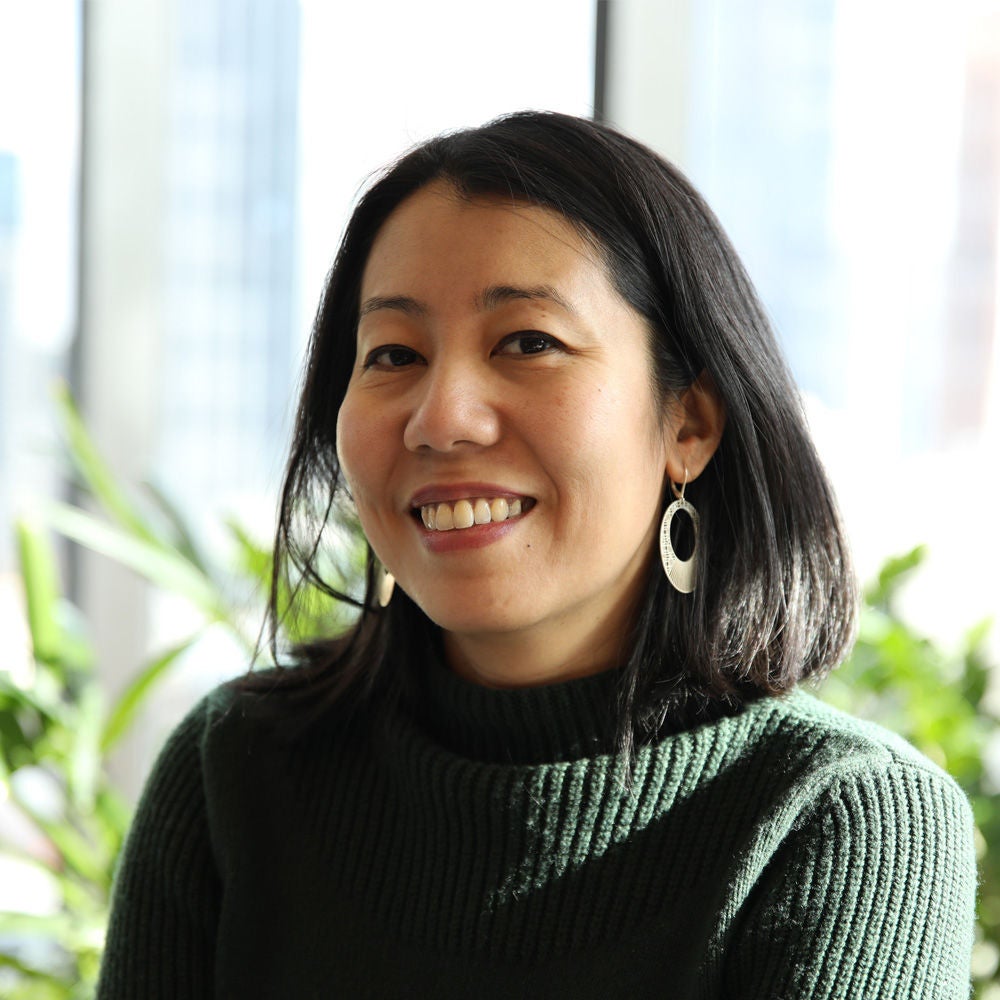
Tanya Hosch is prolific on Twitter where she shares messages on social change and activism. A few weekends ago, she tweeted a quote by Angela Davis, an African American political activist, that read: “You have to act as if it were possible to radically transform the world. And you have to do it all the time.”
This is how Tanya chooses to live every single day. To do otherwise, she says, would render the rest of her work meaningless.
“I’ve been part of many small wins and big changes. A lot is different today because other people didn’t give up when things got too big or too hard. So I think, well, I don’t have the right to give up either.”
Quitting is hardly an act associated with someone whose name has become synonymous with ‘change maker’ and ‘visionary’. And Tanya more than lives up to those accolades.
Her career spans an impressive 26 leadership roles in sport, the arts, culture, social justice and public policy. Then in August 2016, she was handpicked as the AFL’s Inclusion and Social Policy Executive General Manager. That appointment made her the AFL’s first Indigenous and second female executive.
Since then Tanya has broken new ground in Australian sport. She started with championing the first bronze statue of an Indigenous ALF player, Nicky Winmar, which was unveiled at Perth’s Optus Stadium in 2019. Next she helped secure an apology from the AFL for the racial abuse hurled at former Sydney Swans player, Adam Goodes, towards the end of his football career.
Tanya also initiated a review of the anti-vilification policy within the sporting code and established a respect and responsibility policy that enables women to seek redress for unacceptable behaviour. Her introduction of a gender diversity policy at the AFL is hailed as a world-first for a contact sport.
Tanya has made great strides in just four and half years yet she’s matter of fact when summing up her work. “Much of what I do is help people get to the point where they're prepared to start doing things differently. A big part of that is asking them to think differently around their privilege and how they use it to help others. What levers can they pull to make change happen?”