As director of the Aboriginal Justice Unit, Leanne has been a changemaker and the driving force behind the Aboriginal Justice Agreement which aims to reduce imprisonment rates, increase Aboriginal leadership and improve justice outcomes for Indigenous Territorians.
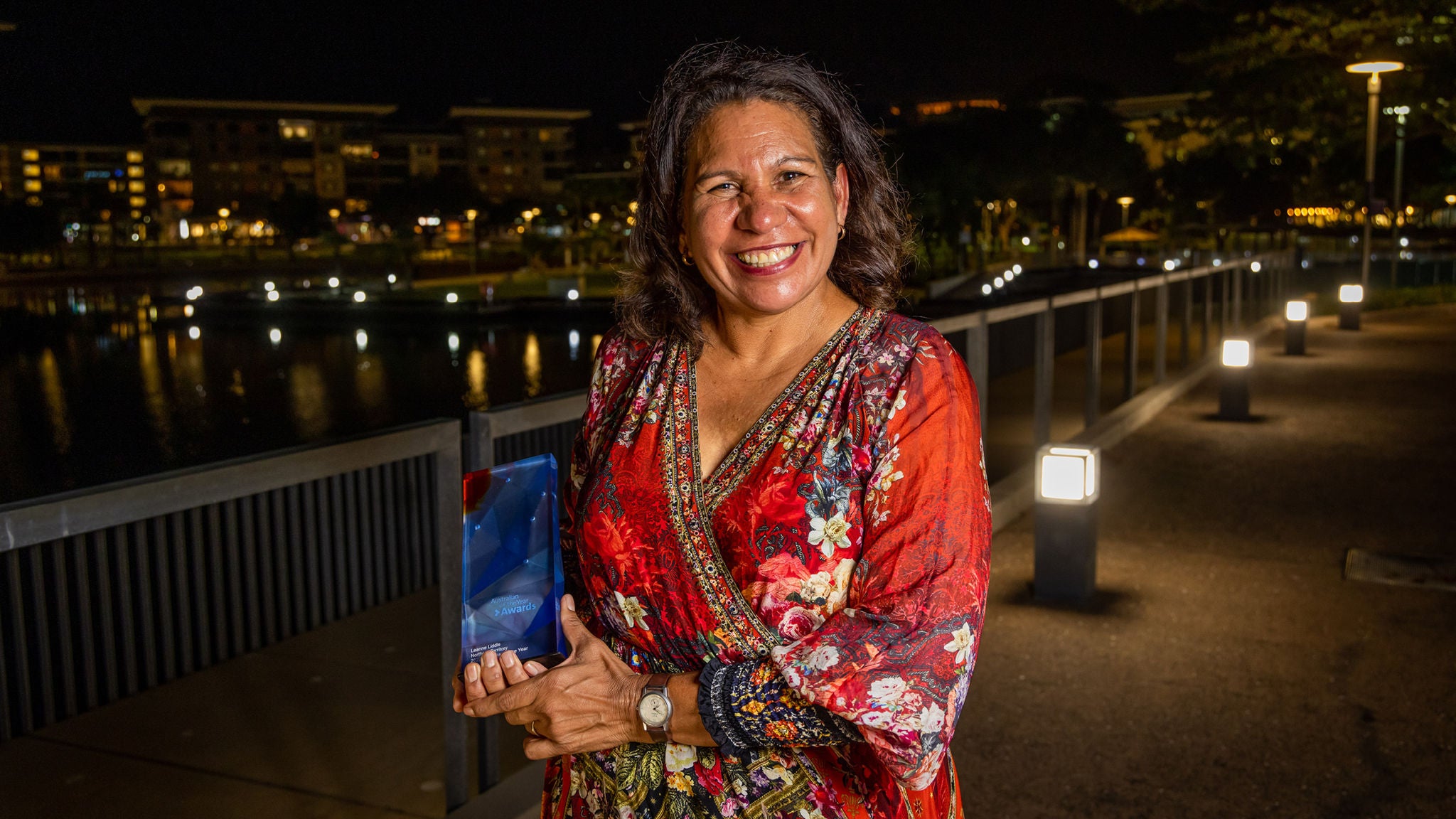
In her 2022 NT Australian of the Year Award acceptance speech, she promised to shine a spotlight on those still suffering under the current justice system. “We don’t live in a system where everything is equal. Behind the statistics of imprisonment and family violence rates are real people. And these people are whom I’m helping through the Aboriginal Justice Agreement.”
Here Leanne talks about fighting racism, the continuing work to improve our justice systems and how non-Indigenous people can build better relationships with their Indigenous counterparts.
You learnt to stand your ground at a young age. Who were your role models?
“I have to credit my grandmother and mother. There were many times when I saw mum hold her ground with people in powerful positions. She’d walk away from the argument shaken and upset but having won it. That’s when I understood that no matter how uncomfortable or frightened you are, some things are worth fighting for. Mum also showed me that arguments can be had with dignity - without fists or angry words.”
Your early experiences with injustice could have negatively influenced you. What set you on the path to making a difference instead?
“Mum was from the Stolen Generation and would say to me, "They thought it was the right thing at the time. They now know it wasn’t. You have to make sure it never happens again." That ability to forgive but not forget is a characteristic I’ve inherited from her and it drives my work today.”
I've really been to dark places and I’ve learnt it's OK to be vulnerable and to let others help you when you’re afraid. But don’t let that fear consume you.
In an interview with the 'National Indigenous Times', you spoke about your consultations with Indigenous communities in the Territory. You said it was clear that such honest and transparent conversations hadn't happened before. What did you do differently to get these conversations going?
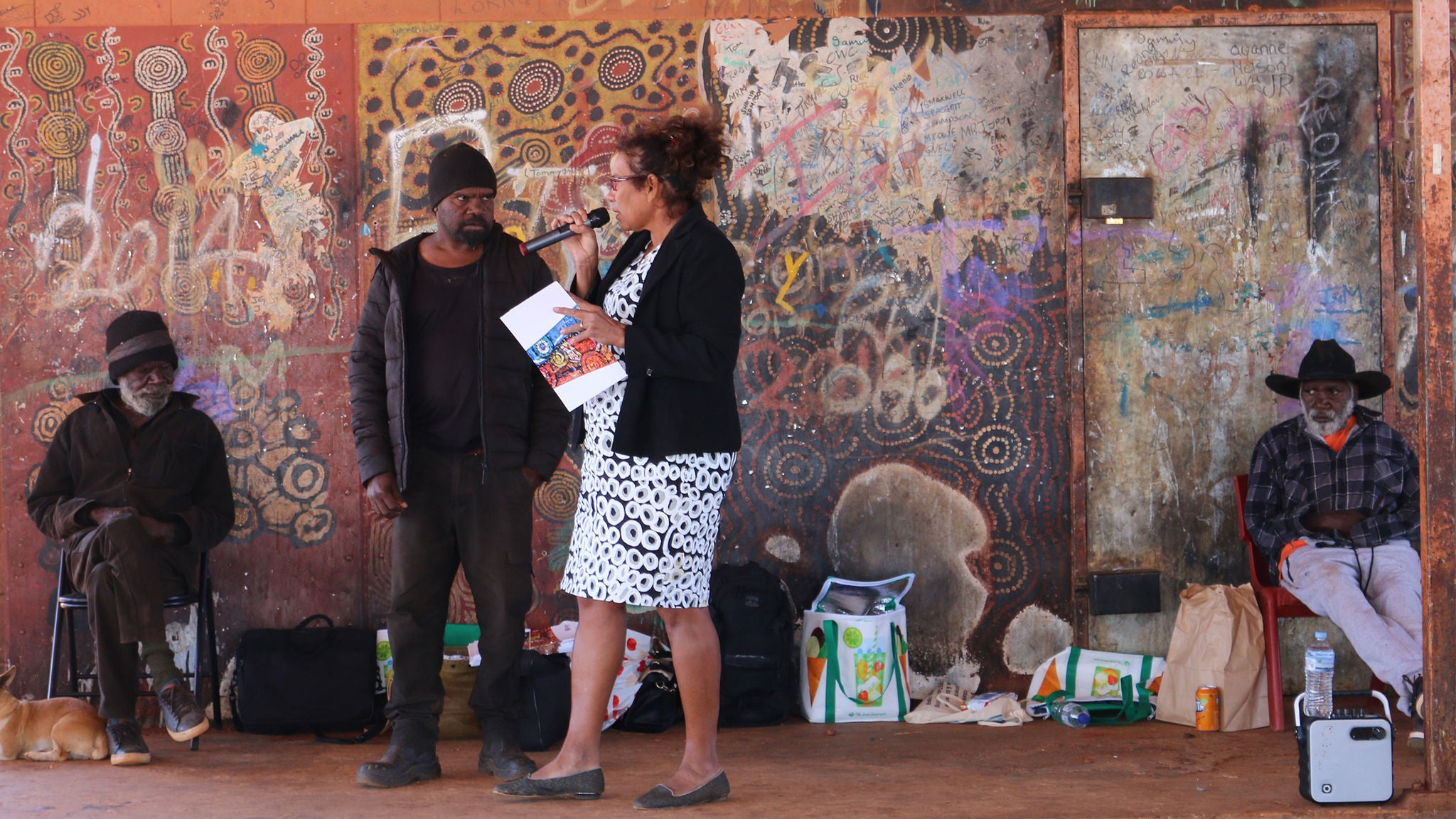
“Every single one of our 150 consultations with these communities was inclusive and respectful. We spoke in the first language of each community and took our time to really listen to them. And we showed them data and evidence they’d never seen before.
“We also held many meetings across from the cemetery, which confronted the community’s belief that “we’re all good." That helped us speak honestly about why Indigenous people are filling up cemeteries and prisons faster than they are schools.
“We have a 35% attendance rate in Northern Territory schools and we've never been able to reduce the gap no matter how much money has been invested here. We really need to understand why nothing has changed.”
What did you find to be the root cause of these issues?
“Racism and not having access to support services. Aboriginal people attend an average of 14 funerals a year. Most involve young people who chose to end their lives after being mistreated on a day-to-day basis and judged on their colour instead of their conduct. That’s enough for many Aboriginal people to feel disempowered and turn to substance abuse or use their fists in response.”
Aboriginal people want their stories in the media to be positive ones but the only way this can happen is if we’re given access to services that can end our disadvantage and poverty.
What has been your proudest achievement to date?
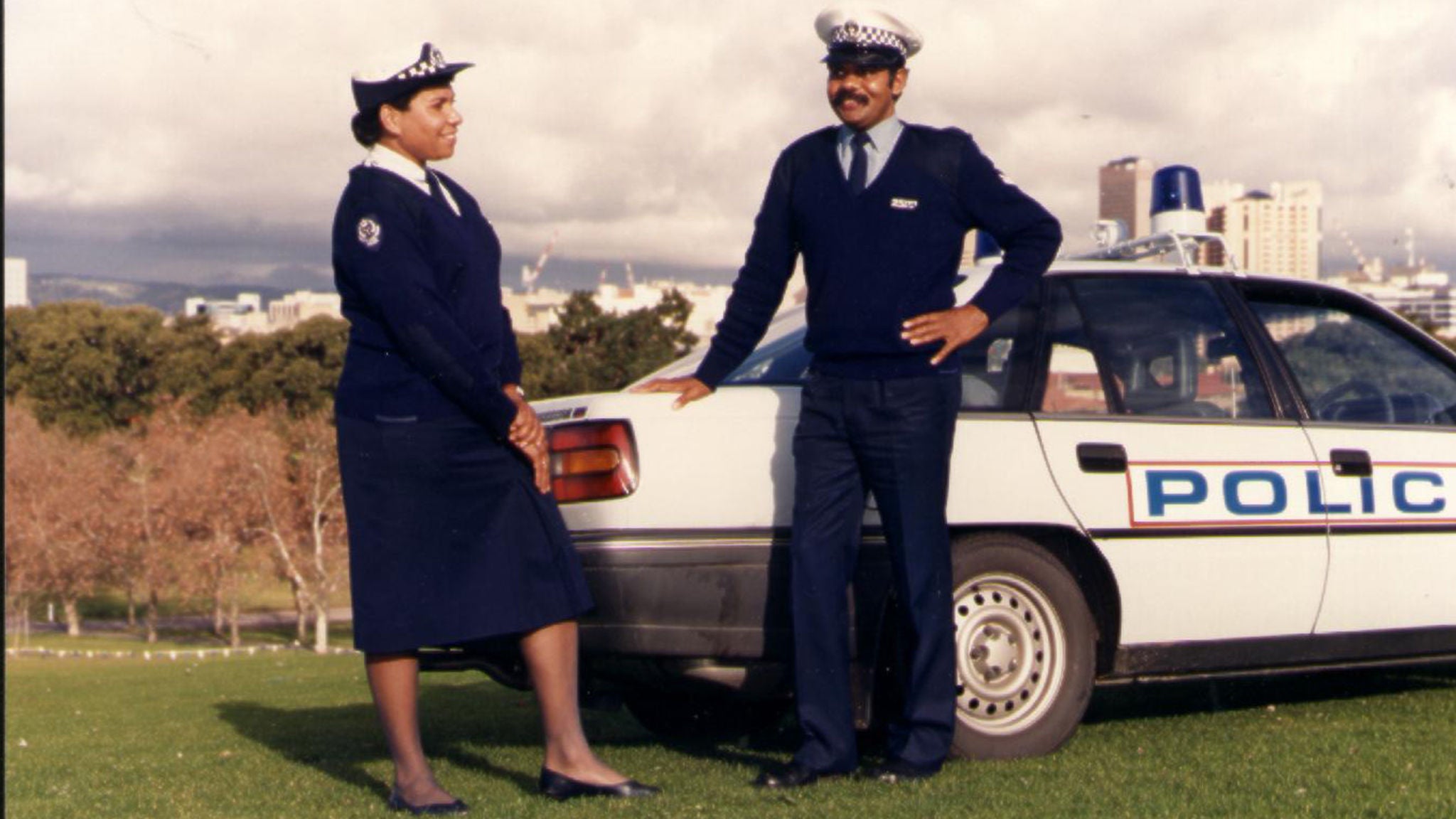
“Winning the fight on racism against the South Australian police force. It was a David and Goliath battle but we won because I had many talented people - both Aboriginal and non-Aboriginal – who stood by me, including police officers. They made the right decision even though they knew there would be consequences.”
How can non-Indigenous Australians build better relationships with Indigenous communities?
“Start by understanding the history of Australia beyond Captain Cook, and recognising and understanding that many decisions, history and legislation have had consequences for us. For instance, don't assume we have no goals or aspirations. We want the same things - to live in a safe place, to have jobs and for our kids to go to school.”
We're not the ones who can influence the outcomes to improve our lives because we're not in those positions of power and privilege yet.